DTF Printers
Transfer-film workflows for mixed garment inventories and distributed heat-press production.
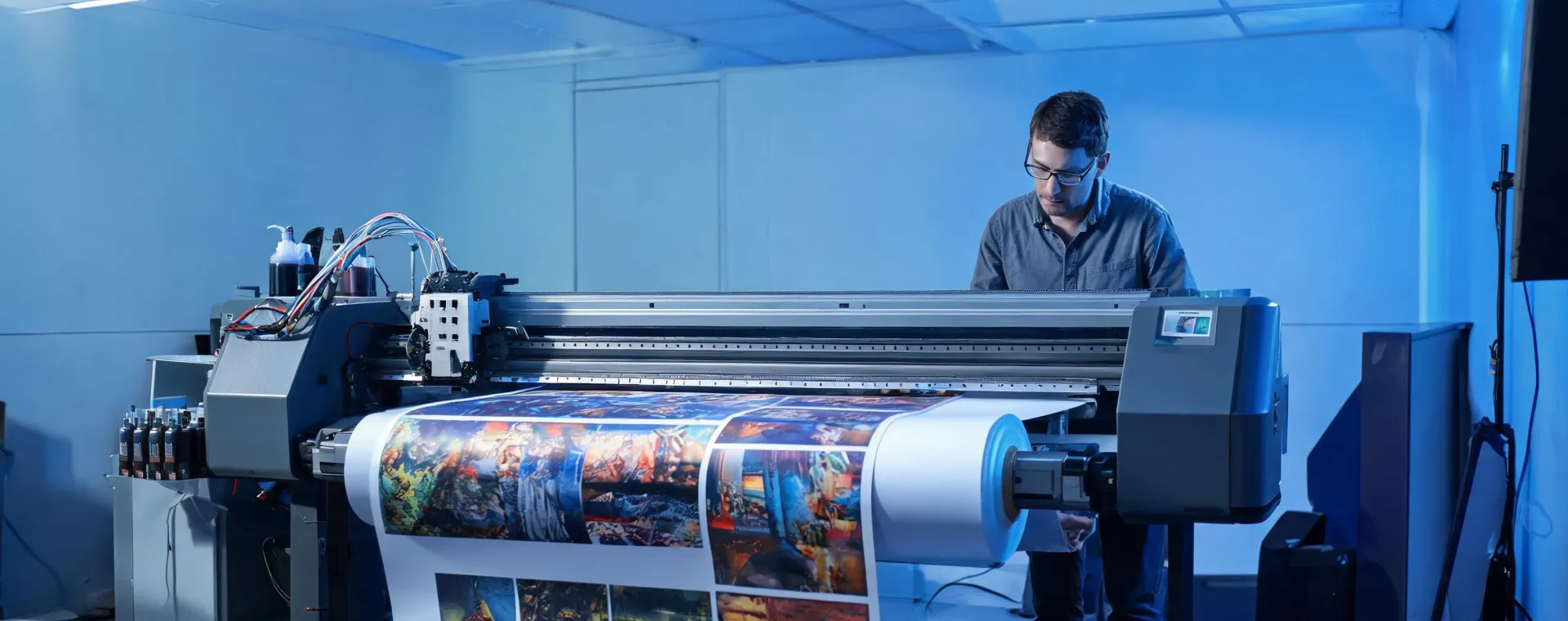
Ink delivery · media transport · process control
Compare the print path, ink set, media handling and finishing workflow before selecting a production platform. The right decision begins with the substrate and acceptance test—not a headline speed.
A disciplined first comparison
Use this framework to prepare a test brief. Confirm every value against the selected model datasheet, ink configuration and regional documentation.
| Decision factor | Direct-to-garment path | Film-transfer path |
|---|---|---|
| Primary workflow | Garment pretreatment, platen loading, printing and curing | Film printing, powder application, curing and heat transfer |
| White ink control | Agitation and nozzle checks remain central to dark-garment consistency | White underbase and powder/film compatibility must be qualified together |
| Best validation sample | Actual garment, pretreatment recipe and wash-test protocol | Actual film, powder, press settings and target fabric |
| Production trade-off | Fewer transfer stages, but garment loading and pretreatment govern throughput | More process stages, with flexible placement across compatible garments |
Six production paths
Transfer-film workflows for mixed garment inventories and distributed heat-press production.
Direct garment decoration where platen setup, pretreatment and curing are controlled as one recipe.
Rigid and specialty media evaluation with attention to adhesion, surface preparation and cure settings.
Transfer-paper output for polyester textiles, with heat-press dwell and color profiling built into qualification.
Sign and display production where drying, lamination timing and outdoor media compatibility affect delivery.
Wide-format proofing and commercial output selected by color target, media path and duty pattern.
Application gates
Wash durability, hand feel, white-ink opacity and repeat placement.
Gamut, banding, drying time, lamination window and viewing distance.
Surface energy, adhesion, rub resistance and fold-line behavior.
Fixture repeatability, cure exposure, traceability and substrate variability.
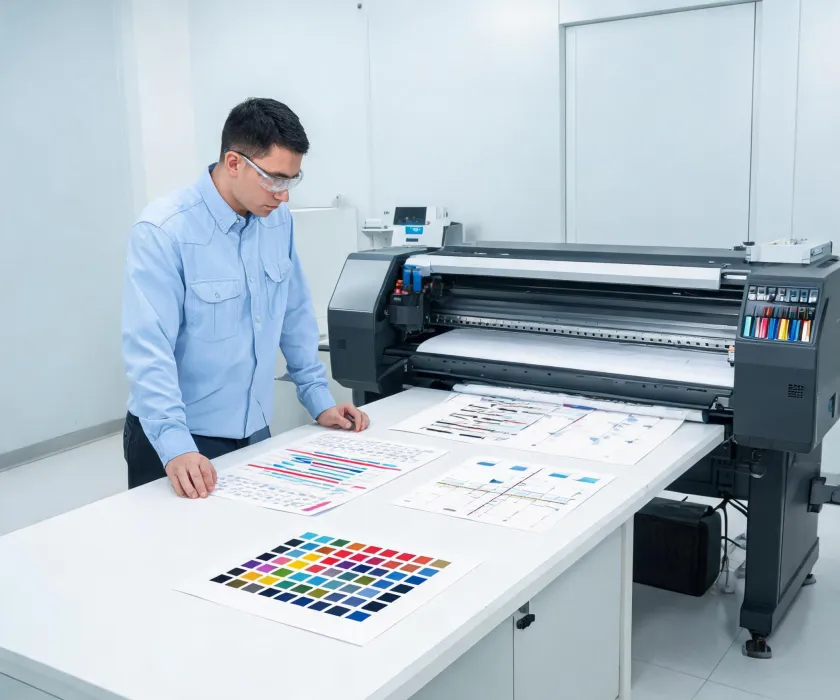
Qualification before installation
Record material supplier, surface treatment, thickness and storage condition so a later rerun has a usable baseline.
Save resolution, pass mode, ink limits, profile and curing or drying settings with the approved sample.
Define visual tolerance, adhesion or wash procedure, finishing method and the inspection light before the test begins.
Include start-up checks, idle periods and cleaning steps; sustained output depends on routine control as much as peak specification.
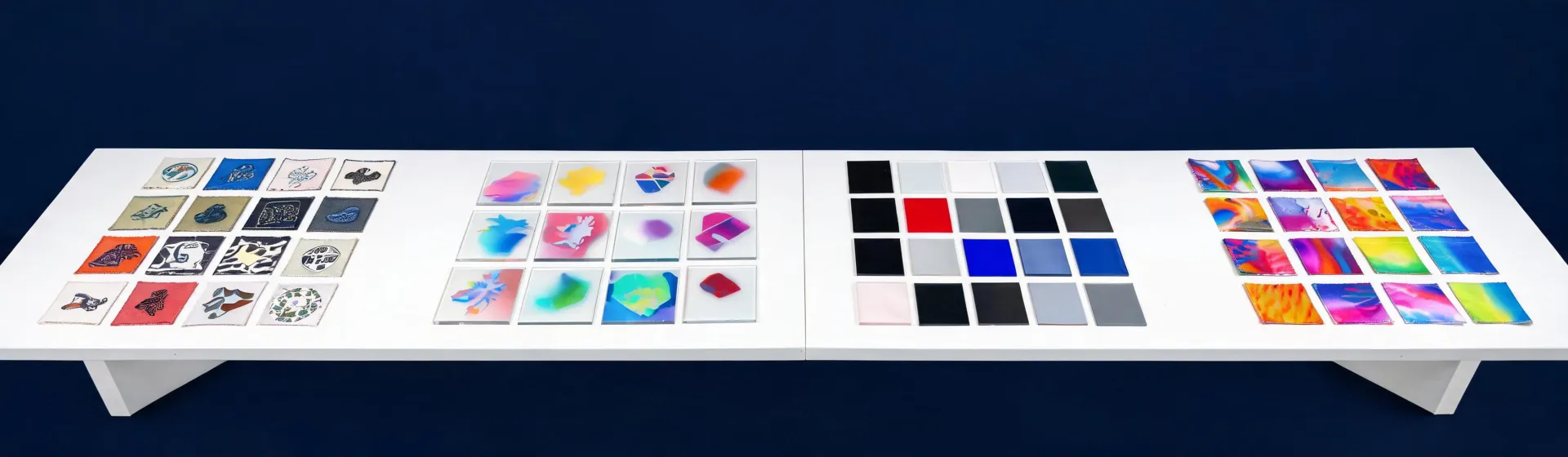
Bring the real substrate
Share the material, expected output window, finishing steps and inspection criteria. The response can then focus on a practical test path rather than a generic model list.